
Lehi Foundation Pros
Concrete Lifting in Lehi, UT
Polyurethane concrete lifting in Lehi for sunken slabs: PolyLevel foam, dime-sized holes, free estimates.
- 15+ Years local experience
- 500+ Projects completed
- Licensed & Insured
Serving Lehi and nearby communities.
New subdivisions move fast in Lehi. The soil under driveways and patios doesn't always finish compacting before the slab goes down. That's why sunken sections show up on homes that aren't old at all.
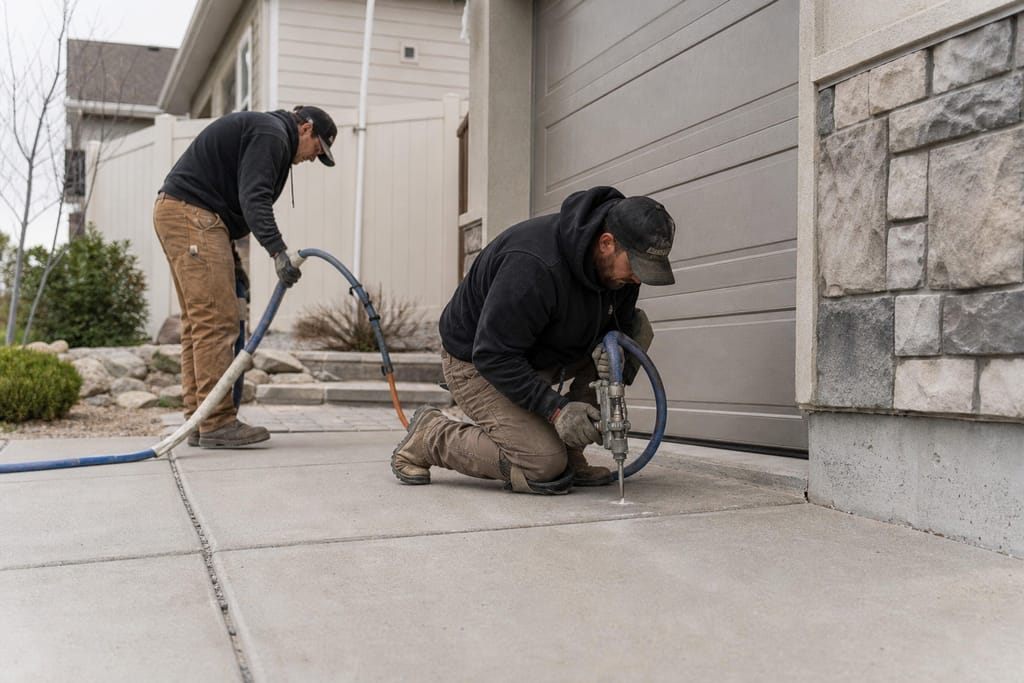
Lehi Foundation Pros uses polyurethane concrete lifting, also called polyjacking, instead of mudjacking. Dime-sized holes, hydrophobic foam injected beneath the slab, and the section lifts back into place without a full tear-out.
What's included
What's Included with Concrete Lifting
Typically included: Optional: Customer prep:
- Slab inspection and measurement — Low section identified and measured before drilling.
- Access hole drilling — Dime-sized holes placed at injection points.
- Hydrophobic polyurethane foam injection — Foam injected beneath the slab to raise it.
- Elevation check and hole patching — Lift confirmed level, holes patched to match the surface.
- Joint resealing on adjacent expansion joints
- Slope correction for better water runoff
- Clear vehicles or furniture off the slab being lifted
- Confirm access points for drilling equipment
Want a clearer scope?
Get a Free EstimateHow it works
How Our Concrete Lifting Process Works
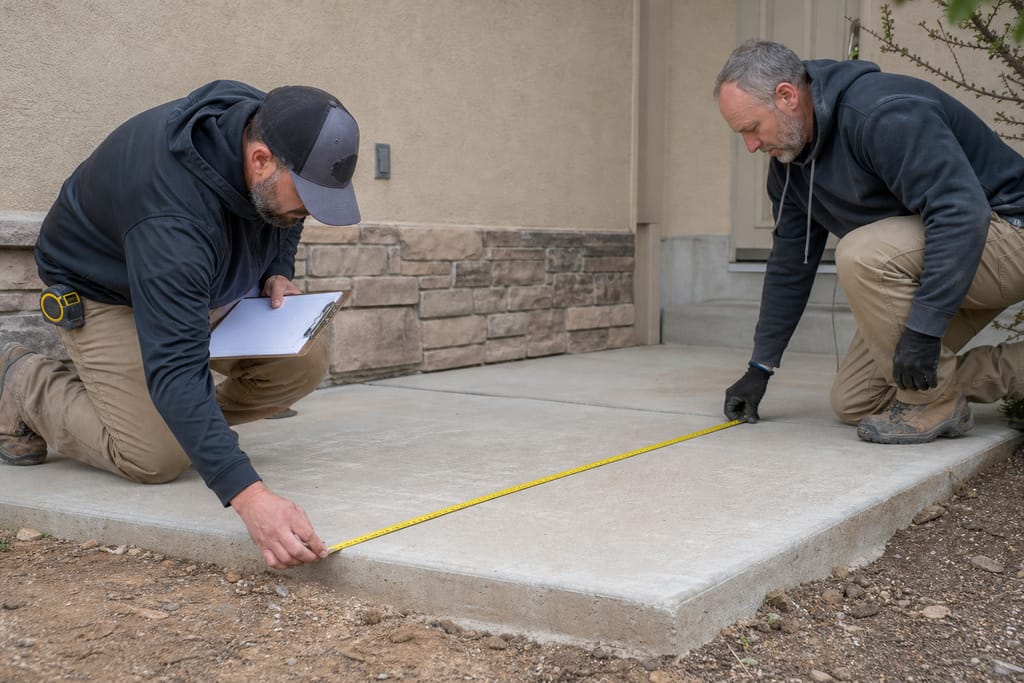 Step 1
Surface Assessment
Uneven or sunken concrete areas are identified and measured.
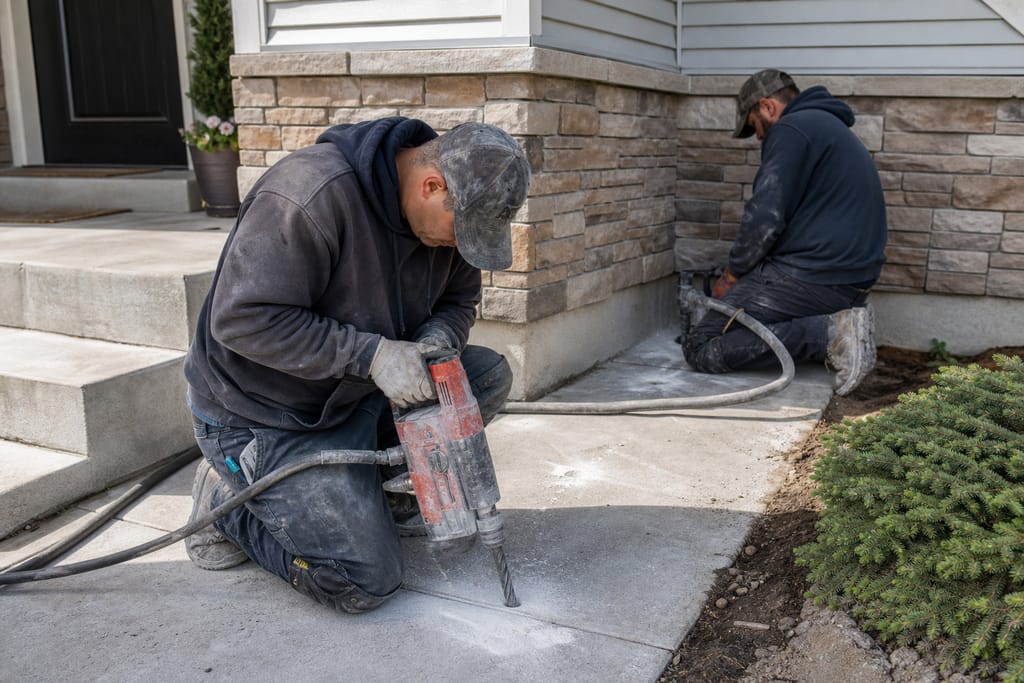 Step 2
Drilling Access Holes
Small holes are drilled into the concrete to allow material injection.
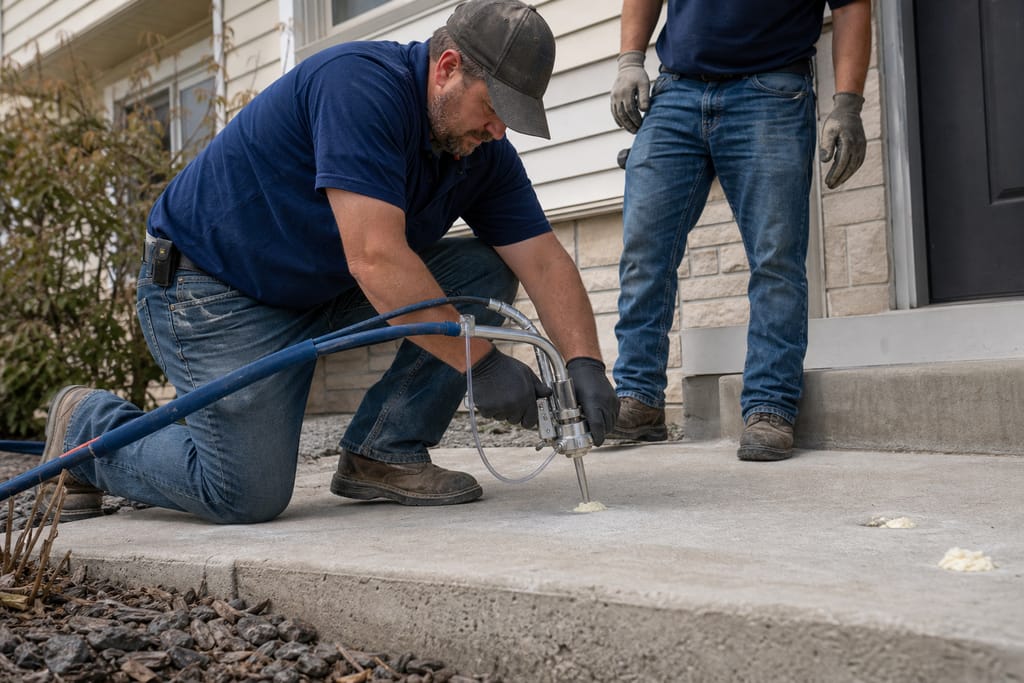 Step 3
Material Injection
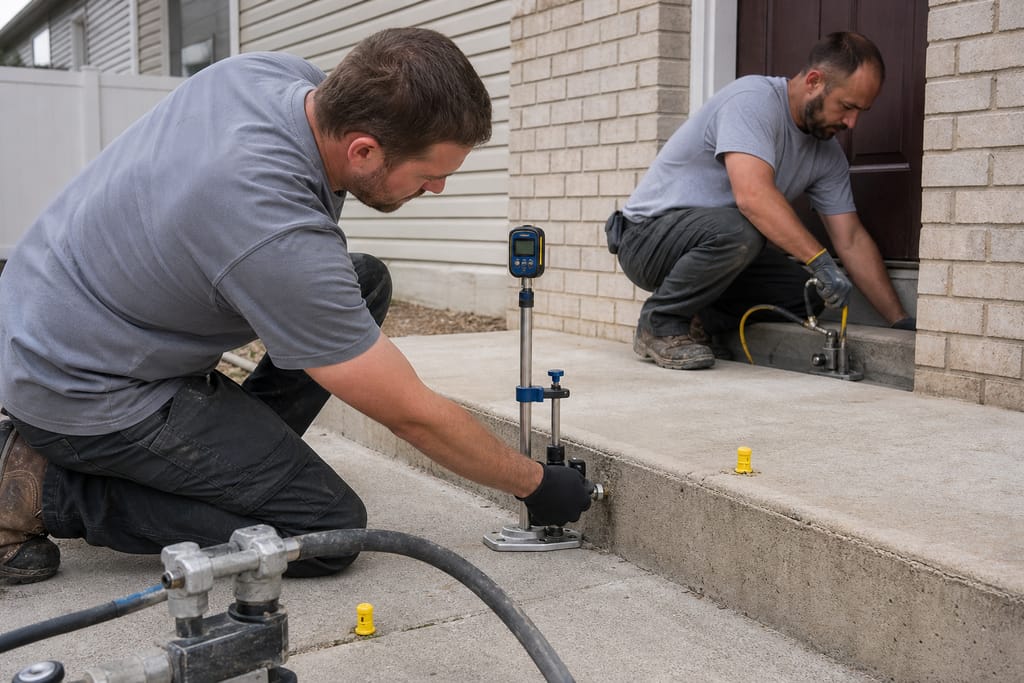
Expanding foam is injected beneath the slab to raise it evenly.
 Step 4
Elevation Monitoring
Lift progress is measured to achieve the desired level.
 Step 5
Hole Patching
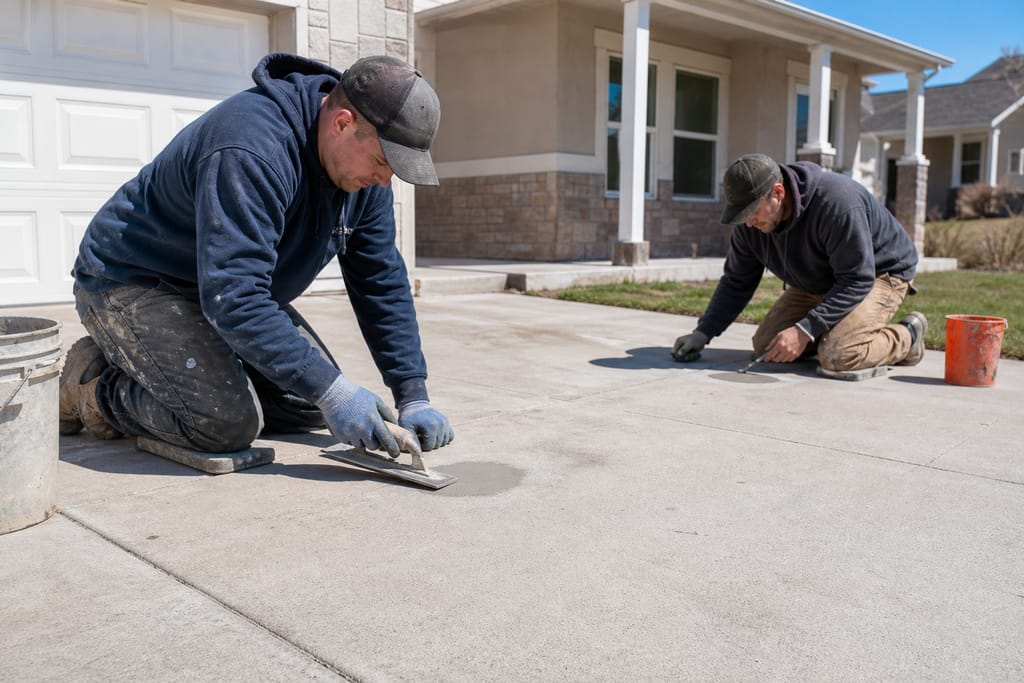
Access holes are filled and finished to match the surrounding surface.
 Step 6
Final Inspection
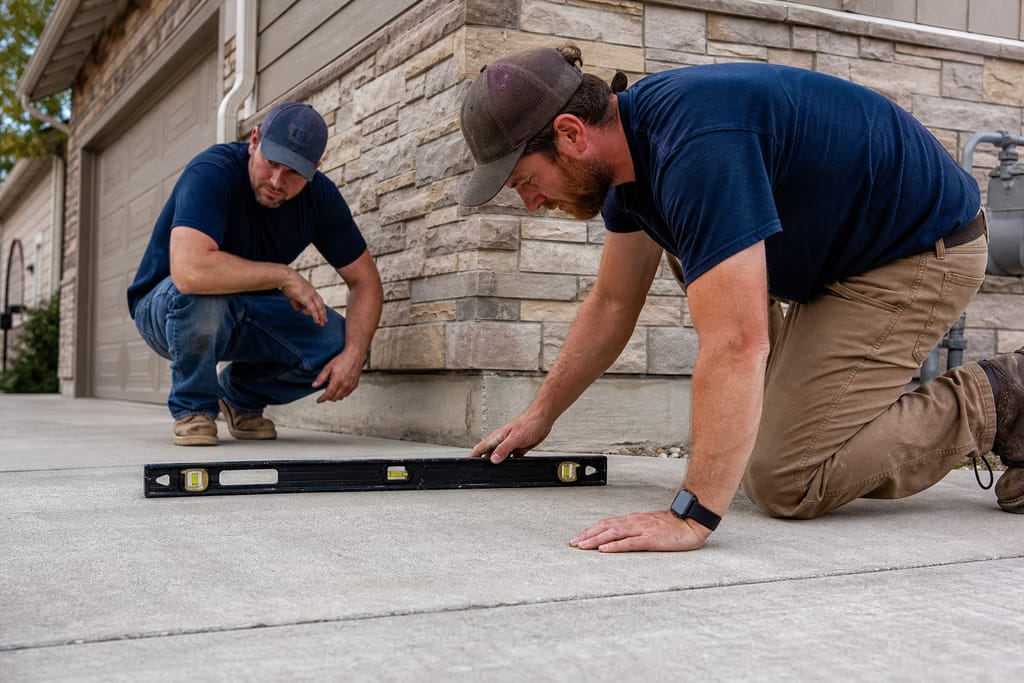
The lifted area is reviewed for levelness and stability.
Materials
Materials and Methods for Concrete Lifting
Polyurethane Foam
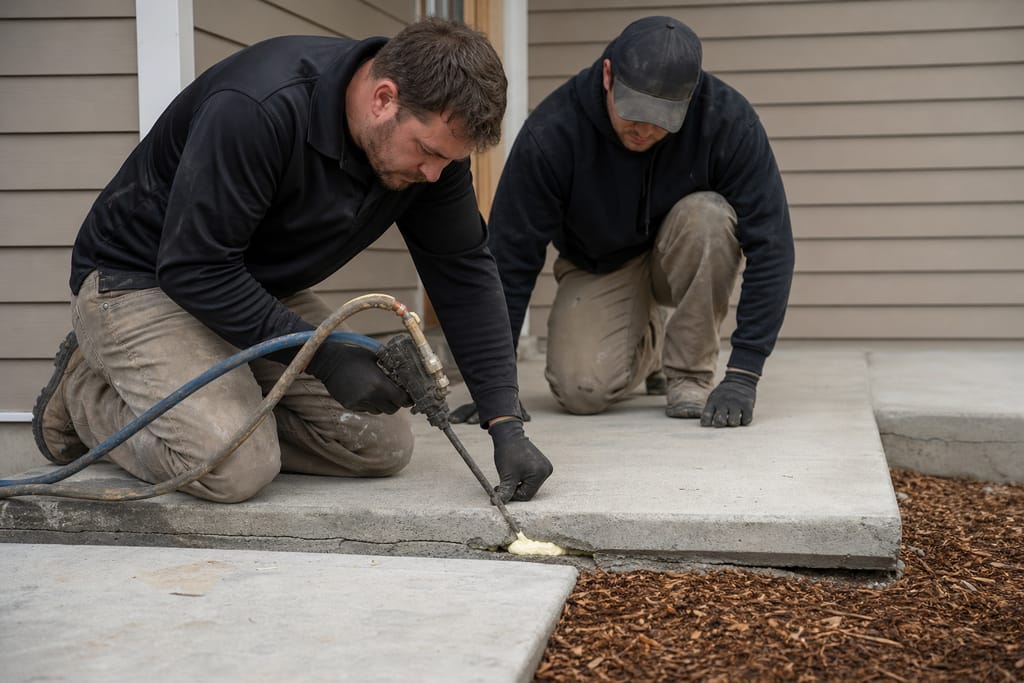
Expands beneath slabs to lift and stabilize concrete surfaces, resistant to freeze-thaw unlike mudjacking slurry.
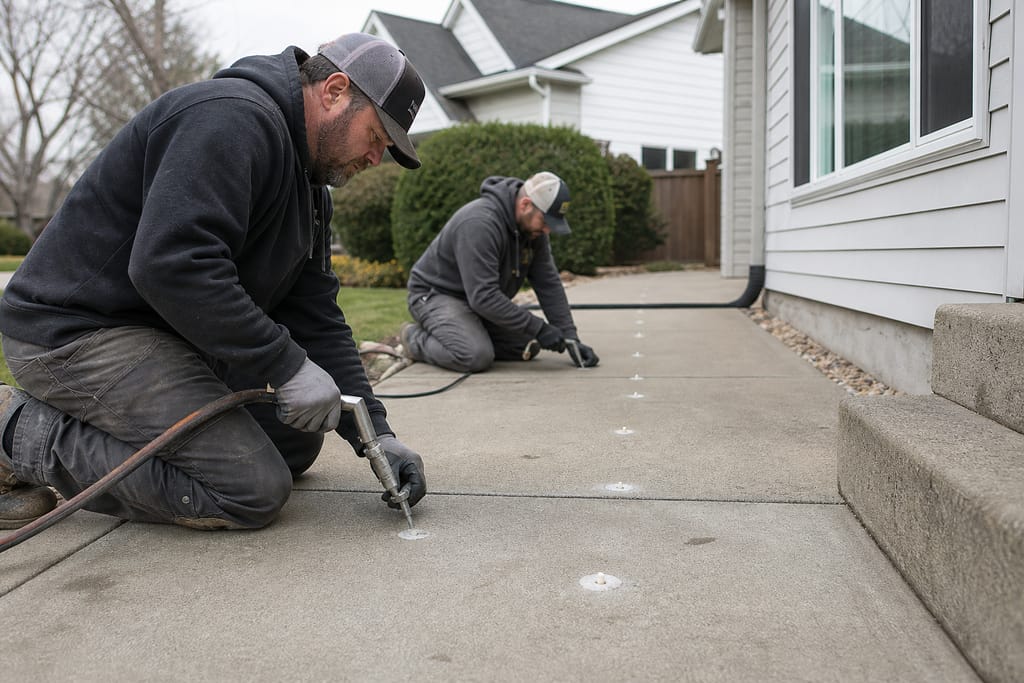
Injection Ports
Allow controlled placement of lifting material under the slab.
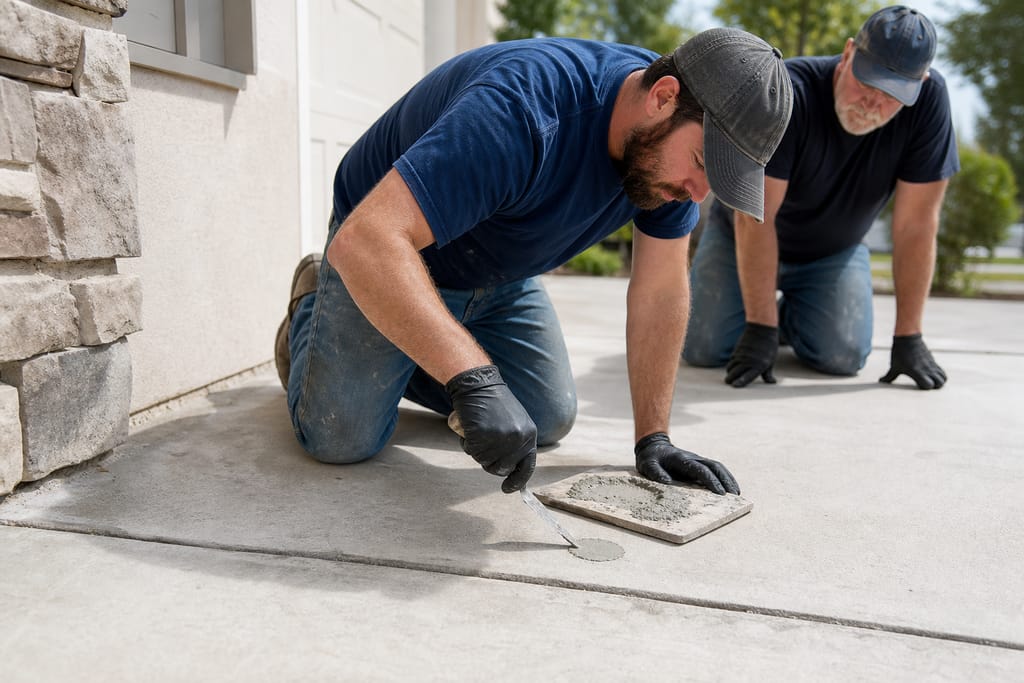
Patch Compound
Fills drilled access holes for a smooth finish.
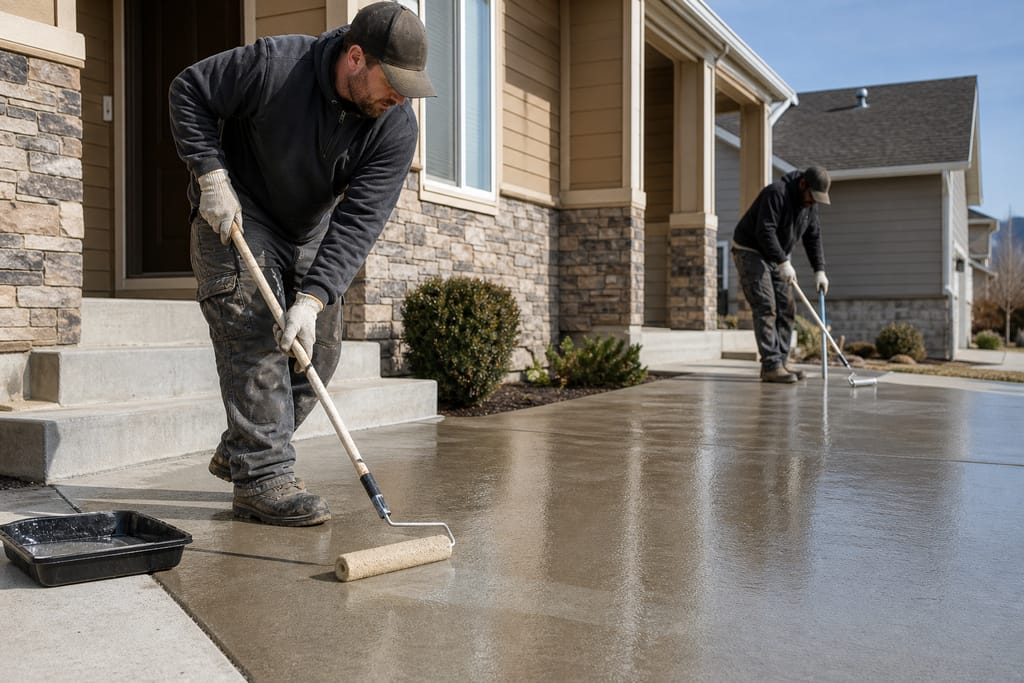
Surface Sealant
Protects the repaired area from moisture and staining.
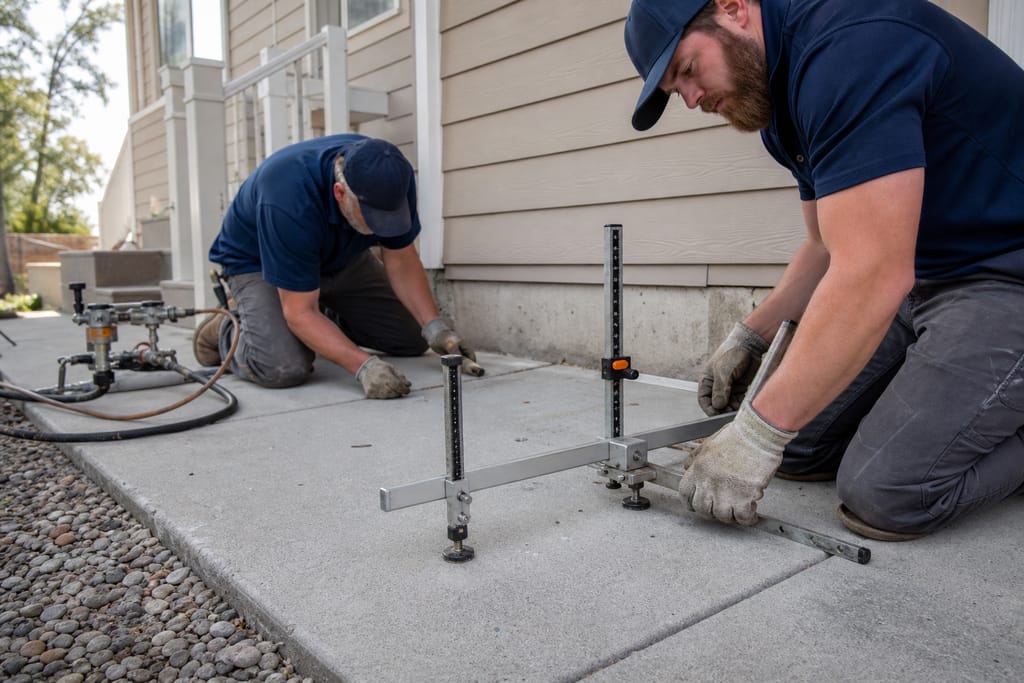
Leveling Gauge
Used to measure and confirm slab elevation during lifting.
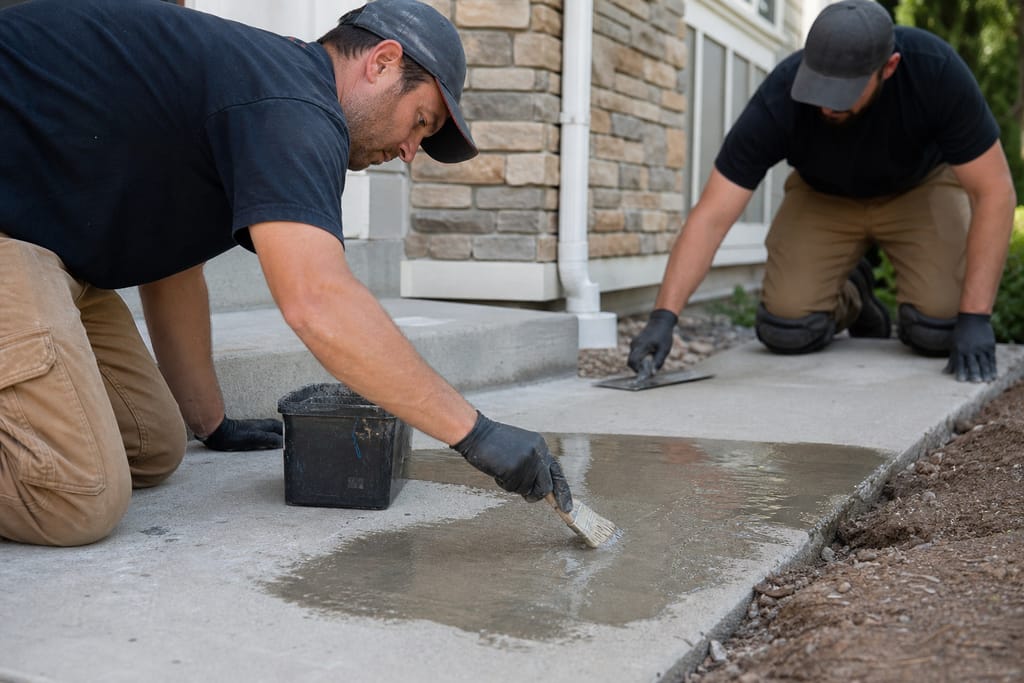
Bonding Agent
Improves adhesion between new patch material and existing concrete.
Questions on materials?
Get a Free EstimateBefore & after
Before and After Concrete Lifting
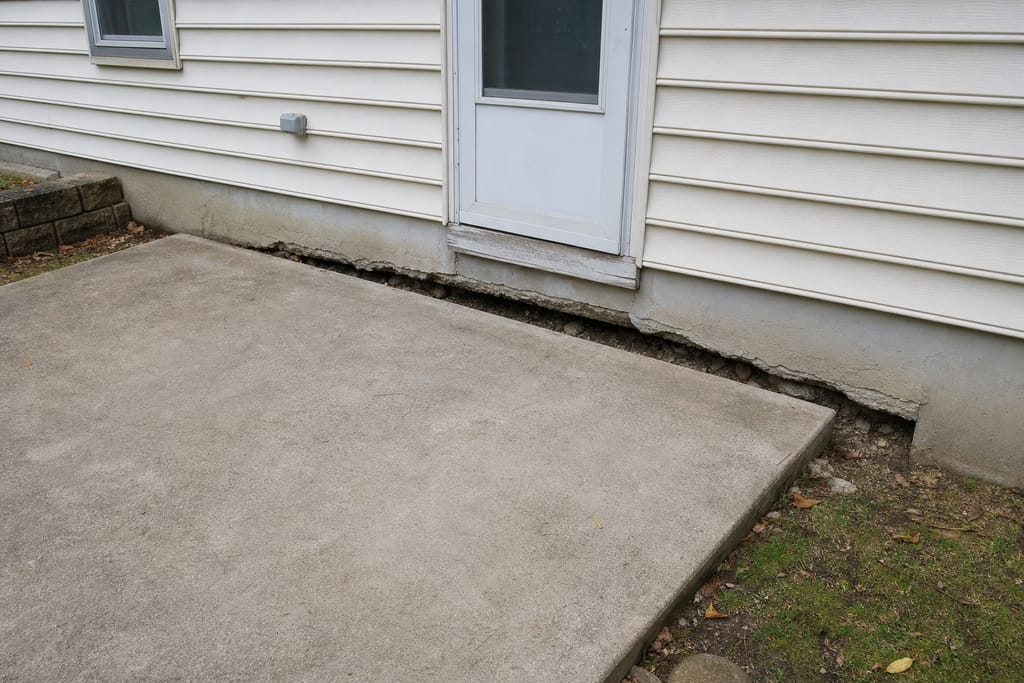
Before 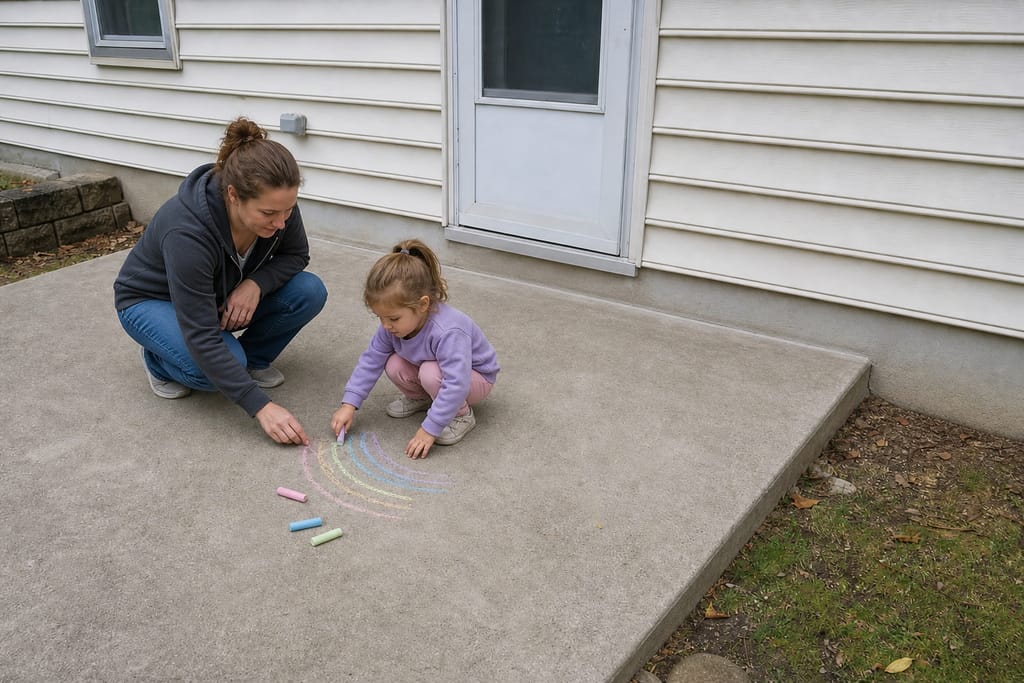
After
Codes & permits
Permits and Codes for Concrete Lifting
Always confirm with Lehi City before starting work on public right-of-way sections.
| Typically needs a permit | Often no permit |
|---|---|
| Full slab replacement or new concrete pours | Lifting existing driveway |
| — | patio |
| — | or sidewalk slabs |
| — | Polyurethane foam injection on private property concrete |
Need help with permits?
Get a Free EstimateDIY vs pro
DIY vs Hiring a Pro for Concrete Lifting
| DIY | Hire a pro |
|---|---|
| Filling minor surface cracks with hardware-store caulk | Injecting foam, which needs pressure control to lift evenly |
| Monitoring a slightly uneven joint that isn't a trip hazard yet | Any slab with a trip-hazard edge or active sinking |
| — | Driveway sections near garages or load-bearing transitions |
Not sure DIY vs pro?
Get a Free EstimateFAQs
Concrete Lifting FAQs
What's the difference between polyurethane foam lifting and mudjacking?
Mudjacking uses a cement slurry that's heavy and can wash out over time. Polyurethane foam is lightweight, cures fast, and resists moisture, which holds up better through Utah's freeze-thaw cycles.
Is concrete lifting cheaper than replacing a slab?
Usually, yes. Foam lifting often runs 50 to 80 percent less than a full tear-out and repour, assuming the slab itself isn't cracked beyond repair.
How long does concrete lifting take?
Most single-slab jobs finish in a few hours and are ready to use the same day.
Do I need a permit to lift my driveway or sidewalk?
Lifting an existing private slab usually doesn't need a permit. Public sidewalk sections may need city sign-off, which we'll check for you.
Which slabs qualify for lifting instead of replacement?
Slabs that are sunken but structurally intact are good candidates. Slabs with major cracking or crumbling edges may need replacement instead.
More services
Other Foundation Repair services
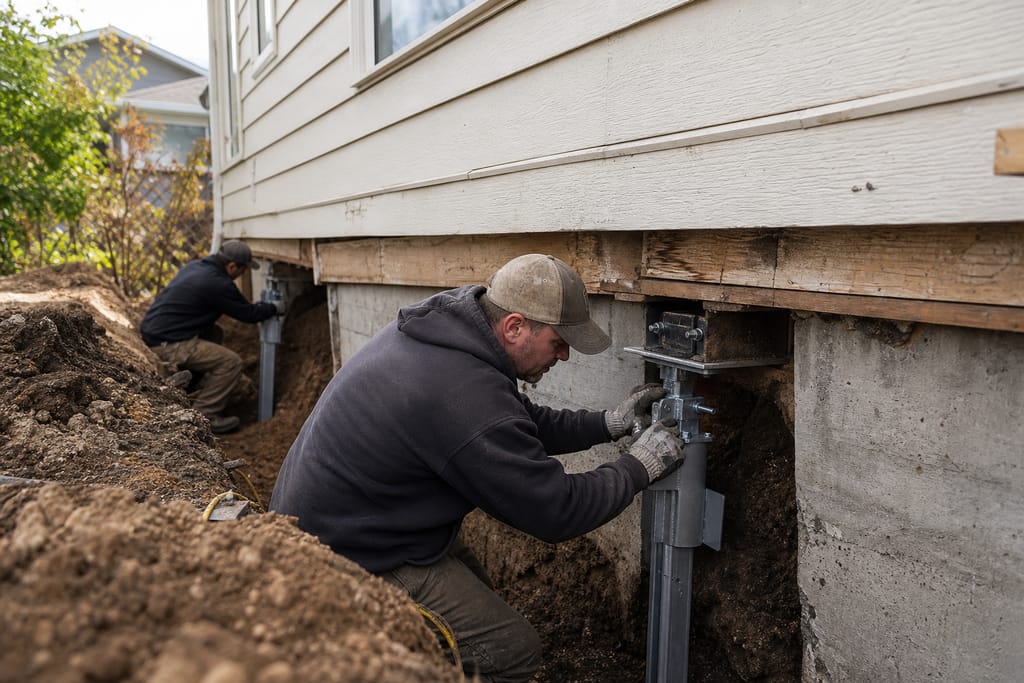
Foundation Repair
Foundation repair in Lehi: crack injection, piering, and wall correction with written estimates and free inspections.
Piering and Underpinning
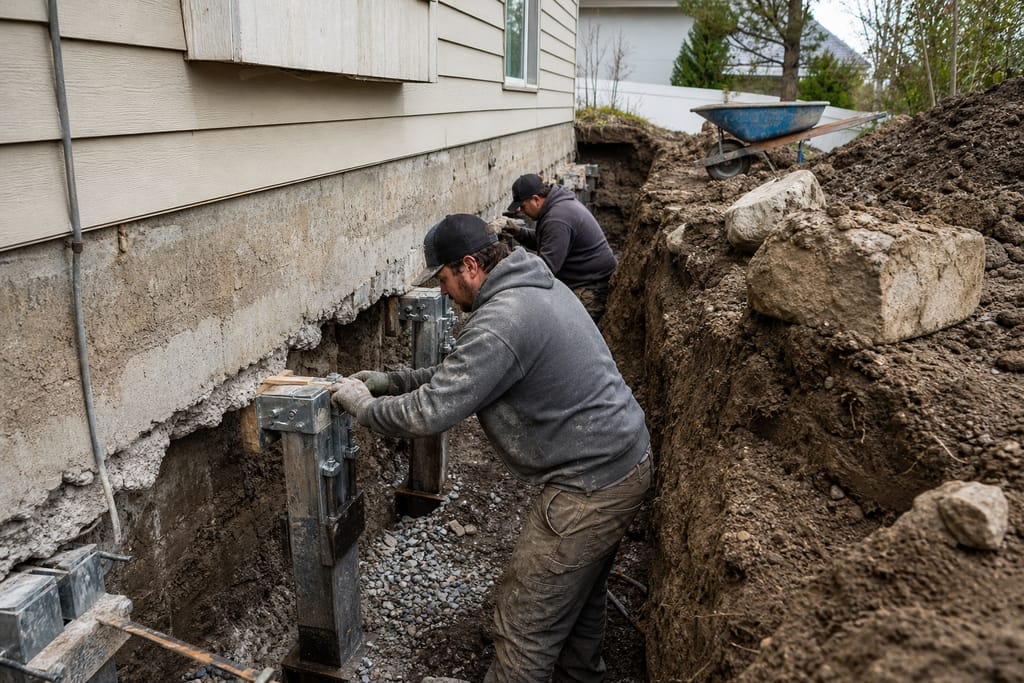
Steel push piers and helical piers stabilize settling Lehi foundations, with free written estimates and permit handling.
Wall Stabilization
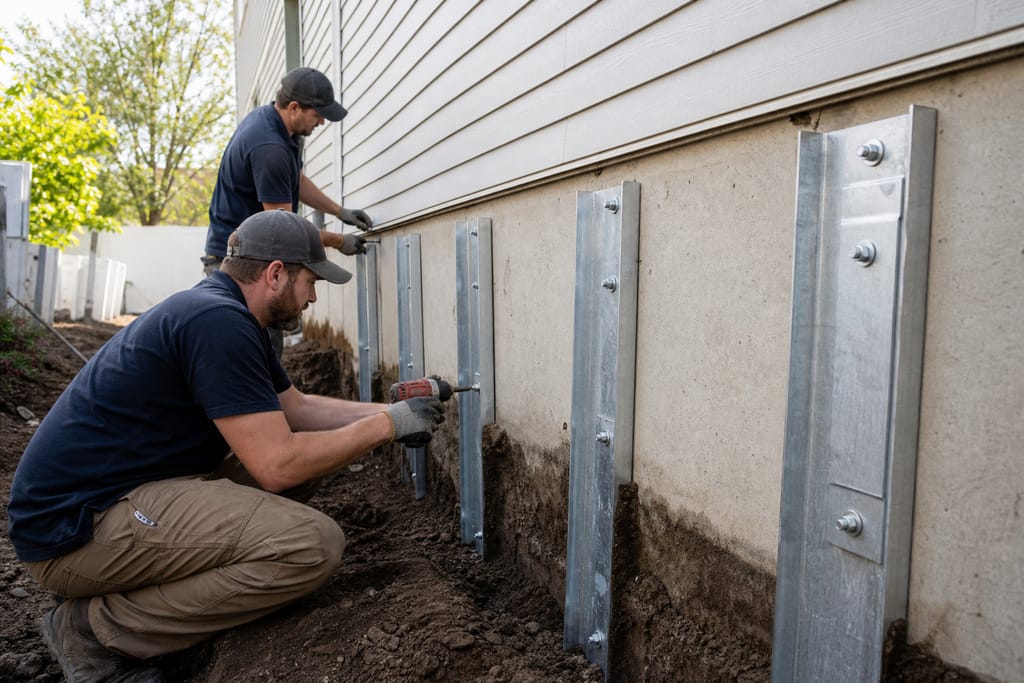
Basement wall stabilization in Lehi using steel anchors and carbon fiber straps to stop bowing from hydrostatic pressure.
Ask about Concrete Lifting
Tell us about the project and how to reach you.